In Kenya, land ownership is a vital consideration for investors, developers, and individuals alike. The legal framework governing land in the country recognizes two principal forms of ownership—leasehold and freehold. Each category presents distinct advantages, limitations, and responsibilities, depending on the intended land use and location.
Understanding the Complexities between leasehold and freehold tenure is crucial for anyone planning to purchase or develop a property. This guide explains the key differences between the two and highlights what potential landowners should consider.
What Is Freehold Land?
Freehold land, often referred to as absolute proprietorship, grants the owner permanent and complete ownership of the land. Once registered, the land belongs to the titleholder indefinitely, with no time restrictions.
Key Characteristics of Freehold Land:
- Permanent Ownership:
Owners of freehold land enjoy unrestricted ownership, allowing them to hold and use the land for an unlimited period. This tenure can be inherited or transferred freely without renewal. - Unrestricted Usage Rights:
Individuals holding freehold titles typically enjoy a greater level of independence regarding land development, subject only to national and county regulations such as zoning laws and environmental standards. - Long-Term Value:
Due to its lasting ownership, freehold property often appreciates steadily in value and is generally considered more attractive for long-term investment. - Lower Recurring Obligations:
Other than paying annual land rates and observing national regulations, freehold ownership does not usually involve ongoing fees or renewal obligations with the government.
Where Freehold Land is Common:
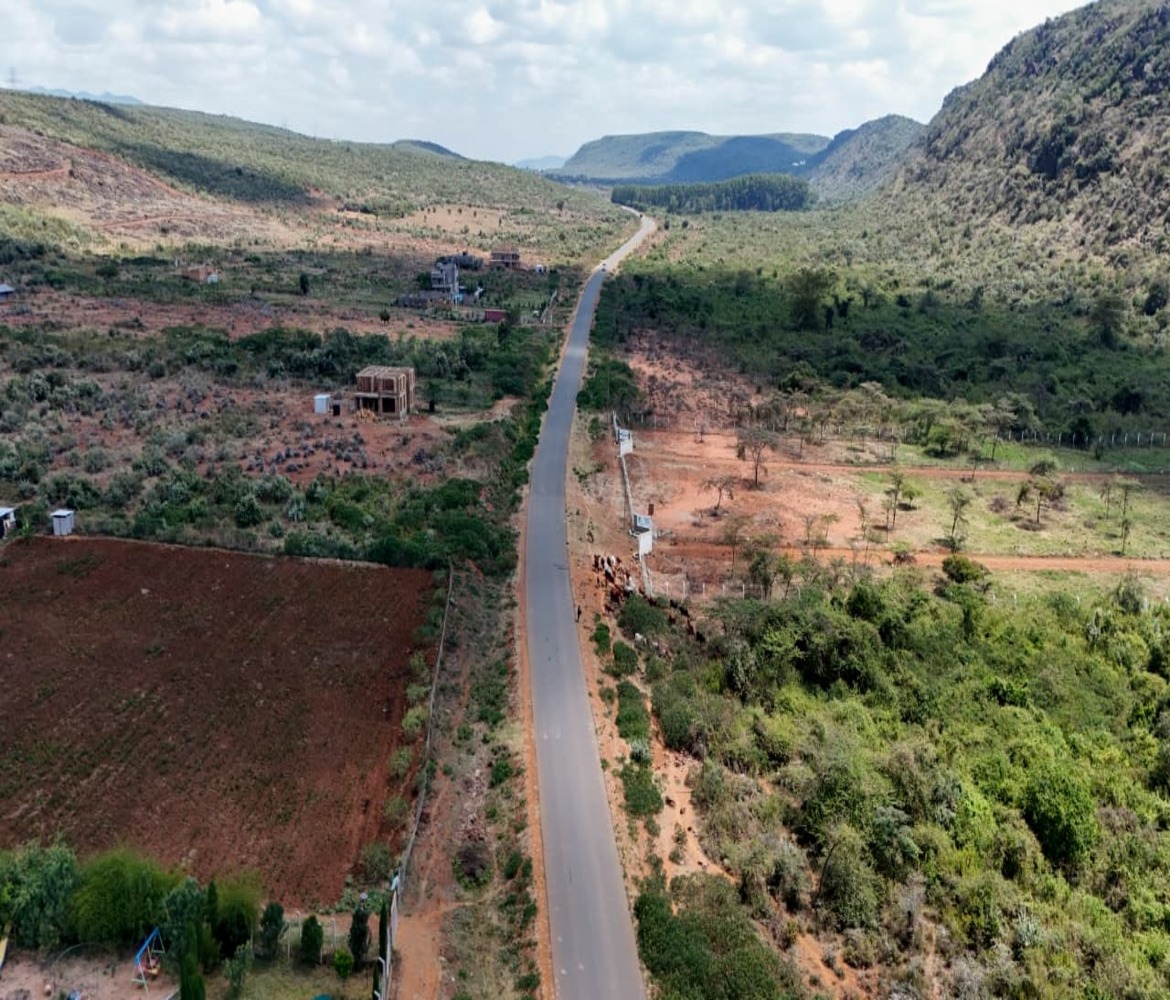
Freehold land is largely concentrated in rural regions or specific community trust areas. In densely populated urban zones—such as Nairobi or Kisumu—freehold parcels are scarce, with leasehold ownership being the predominant form.
What Is Leasehold Land?
Leasehold land ownership grants temporary rights to occupy and use land for a set period, after which ownership reverts to the lessor (commonly the government). The lease period is stipulated in the land title and typically ranges from 33 to 99 years.
Key features of Leasehold Land:
- Agreement Period:
In Kenya, leasehold titles are often granted for 99 years for new developments, although shorter durations like 50 or 66 years are also common. At the end of the lease term, the land must be returned or the lease renewed. - Limited Use:
Leasehold land is usually subject to conditions imposed by the government or the lessor. These conditions may restrict the use to specific purposes, such as residential, commercial, industrial development or other land development projects. - Regular Renewals and Charges:
Leaseholders are required to pay annual land rent and may incur extra payments during lease renewal. Non-compliance can result in penalties or, in extreme cases, loss of rights. - State Supervision:
Leasehold titles are often used as a tool to manage and regulate land use in urban areas, ensuring planned development and adherence to city planning policies.
Comparison: Leasehold vs Freehold for Investors
Legal Protection and Ownership Rights:
Freehold land ownership offers a higher level of security, particularly for multi-generational ownership.
Leasehold land, on the other hand, introduces uncertainty toward the end of the lease period. While leases are often renewable, approval depends on compliance with the original lease conditions.
Affordability Concerns:
leasehold land is generally less expensive to acquire initially, but the ongoing cost of land rent and the eventual renewal contract must be factored into long-term budgeting.
Freehold land, though more costly upfront, avoids these recurring costs, making it more economical in the long run.
Development Limitations:
Freehold ownership provides flexibility in development decisions, which is a key advantage for private developers.
leasehold lands may come with restrictions regarding the type of structures allowed, building timelines, or subdivision limits.
Due Diligence:
Potential buyers must conduct a title search at the Ministry of Lands or the relevant county registry to determine whether a parcel is leasehold or freehold.
It’s also important to confirm any Hindrances to Ownership, restrictions, or pending renewals, especially in the case of leasehold titles with short remaining periods.
Land Policy Changes and Emerging Trends
Kenya has made strides in improving land administration through digitization initiatives such as Ardhisasa, which allows individuals to access land records online. This system aims to reduce fraud, increase transparency, and speed up property transactions.
In urban areas like Nairobi and Mombasa, the expiry of existing leases has raised concerns among property owners.
The government has since outlined a renewal process that involves valuation, payment of applicable fees, and compliance checks. Landowners are encouraged to initiate renewal applications well before lease expiry to avoid disruptions.
Conclusion
In conclusion, the choice between leasehold and freehold land in Kenya carries significant long-term implications. While leasehold land is common in urban areas and comes with time limits and usage conditions, freehold land offers lasting ownership and greater freedom for development. At Miale Real Estate Limited, we are committed to guiding our clients toward informed decisions, prioritizing freehold properties that provide peace of mind, long-term value, and full ownership without hidden obligations.