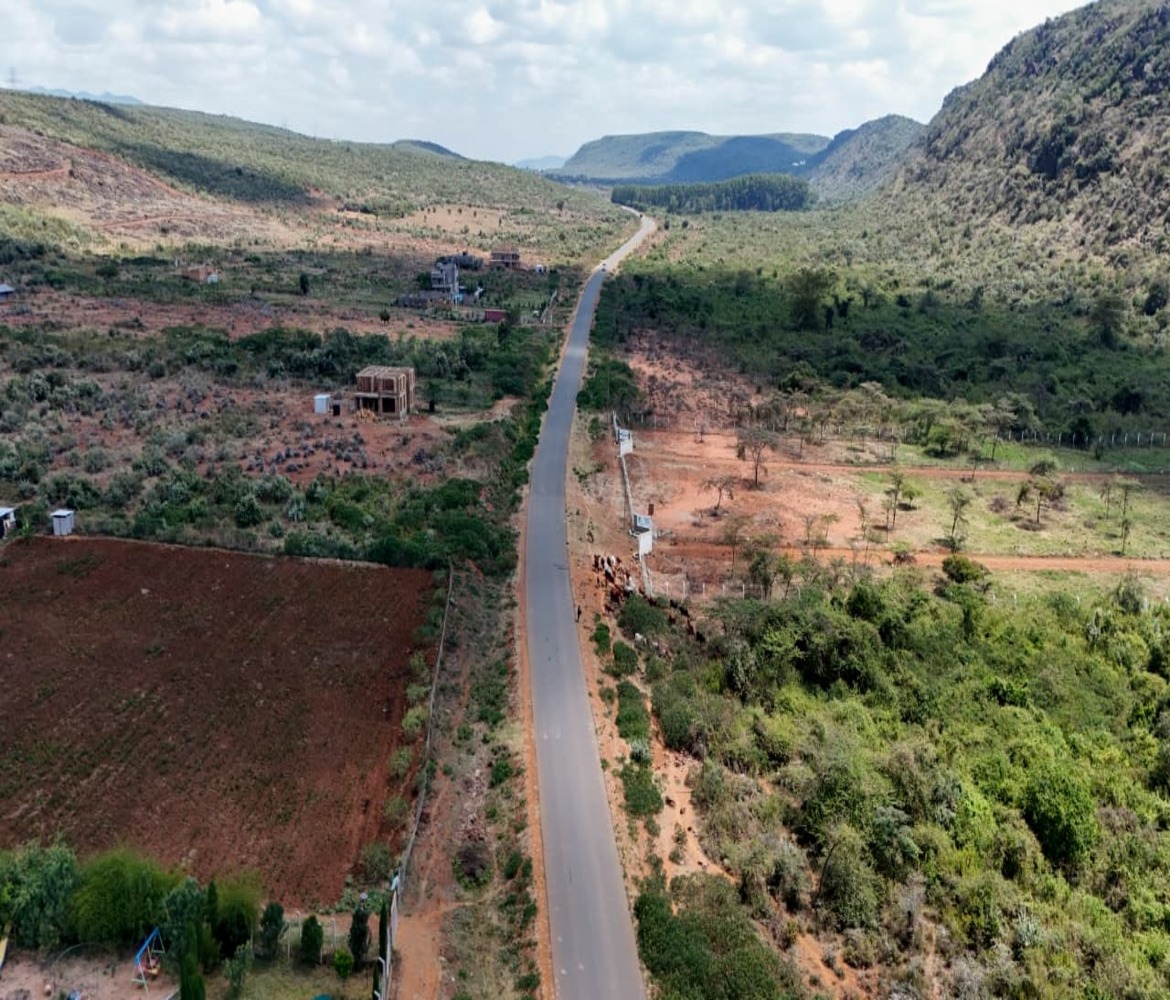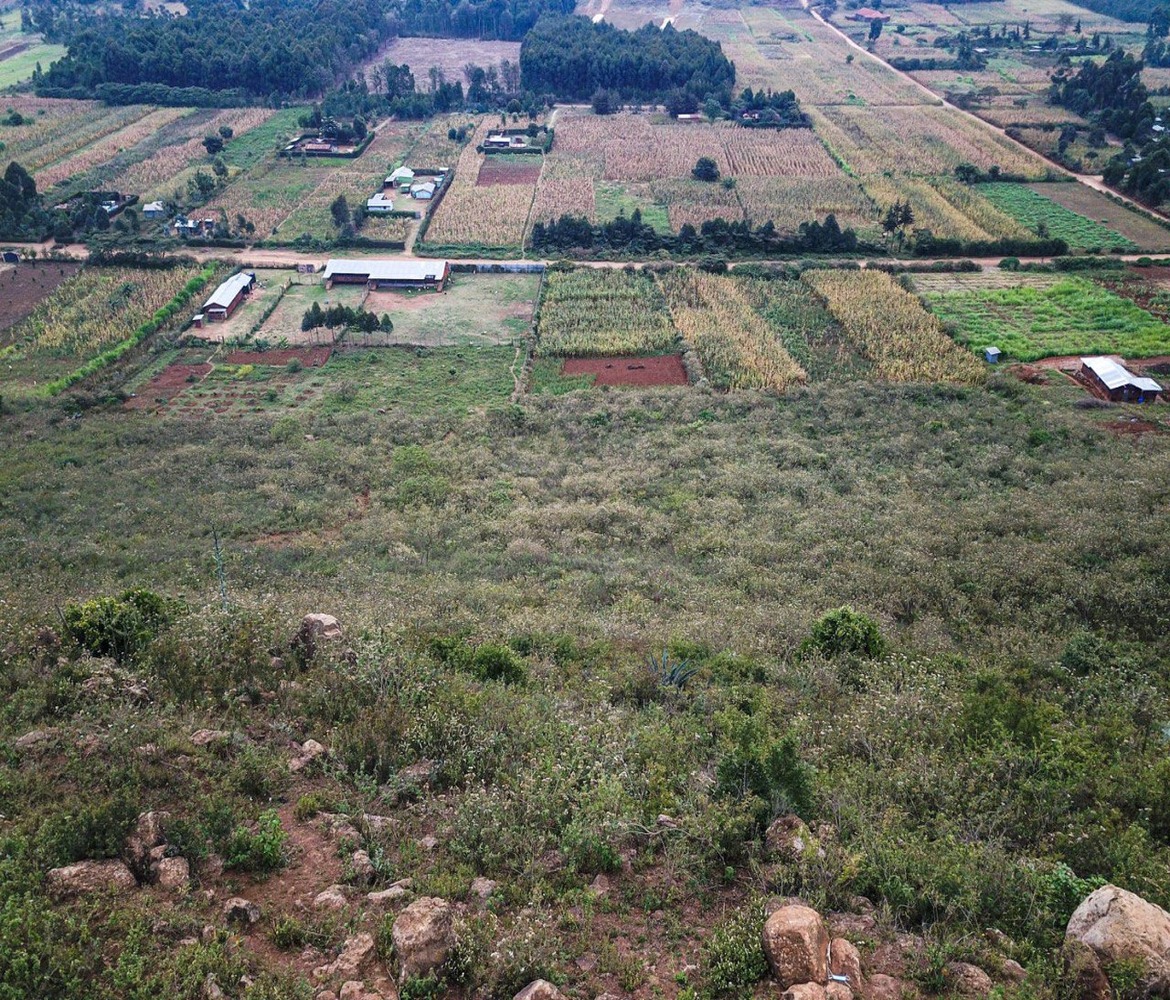

Buying land for the first time in Kenya is a significant milestone and, for many, a lifelong dream. However, the journey can be overwhelming if you don’t have the right information. The market is full of opportunities—but also potential pitfalls. Whether you’re planning to build a home, develop rental units, or invest for future resale, getting the basics right is critical.
One of the fastest-growing and most promising areas for land investment is Kikuyu and its surrounding towns—Zambezi, Sigona, Kinoo, Gikambura, and parts of Lusigetti. Located in Kiambu County, just a short drive from Nairobi, this region has become a favorite for buyers looking for affordable plots, reliable infrastructure, and appreciating land value. Here are some crucial tips to help you navigate your first land purchase, especially if you’re eyeing the Kikuyu region.
- Define Your Purpose Clearly
Before you begin your land hunt, take a moment to define your primary objective. Are you buying to build your future home? Are you looking for a long-term investment that will appreciate over time? Or are you planning a commercial development?
Each purpose comes with different priorities. If you’re building a family home, you’ll need land in a secure neighborhood with easy access to schools, hospitals, and roads. If your goal is investment, you may look for land in upcoming areas near ongoing infrastructure projects, even if they’re currently less developed.
- Understand the Legal Process and Do Due Diligence
Many first-time buyers fall into traps due to poor legal understanding. Never skip the process of verifying the title deed. This means conducting an official land search at the Ministry of Lands or Ardhi House to confirm that:
- The seller is the rightful owner
- There are no caveats or disputes
- The land is free from loans or liens
Also, engage a licensed advocate to help draft or review the sale agreement. A qualified lawyer will also assist with the title transfer, ensuring that your name is legally registered as the new owner.
- Know the Zoning and Land Use Rules
Different areas are designated for different uses: residential, agricultural, commercial, or mixed-use. For example:
- Sigona and Gikambura are emerging as high-end residential zones, suitable for townhouses and gated communities.
- Zambezi and Lusigetti still have agricultural land, although urban development is creeping in.
- Kinoo is ideal for apartments and rental units due to its proximity to Nairobi and access via Waiyaki Way.
Check with the Kiambu County Physical Planning Office to verify the land’s zoning. Buying land for residential use in an agricultural zone could prevent you from getting construction approvals later.
- Visit the Site Physically
Photos and plot maps cannot tell you much. Always make time for a physical site visit—preferably with a licensed surveyor. This allows you to:
- Confirm that the land exists and matches the description
- Identify physical beacons and boundaries
- Check soil type, gradient, and drainage
- See surrounding developments and neighborhood environment
This is especially important in peri-urban areas like Lusigetti, where land is still semi-rural and not always well-beaconed.
- Evaluate Infrastructure and Amenities
Infrastructure development often drives land value. When evaluating a plot, consider:
- Road access: Is the land reachable during the rainy season? Is it connected to tarmac roads like Waiyaki Way, Southern Bypass, or Dagoretti Road?
- Water and electricity: Is the land connected to utilities, or will you need to drill a borehole or pay for a transformer?
- Security: Does the neighborhood have street lighting or active resident associations?
- Social amenities: Are schools, hospitals, shops, and public transport within reach?
Plots in Kikuyu town or along the Southern Bypass are in high demand due to better access to roads and services. Prices are higher, but so is future value.
- Consider the Full Cost—Not Just the Land Price
Many first-time buyers focus only on the plot price and overlook associated costs. Make sure your budget also covers:
- Advocate fees (for legal processing)
- Surveyor charges
- Stamp duty (4% of the land’s market value)
- Title transfer fees
- Land rates or ground rent (if the plot is leasehold)
At Miale, we give a written breakdown before you make a deposit.
- Work with Trusted Agents and Companies
Scams are, unfortunately, common in the land sector. Avoid anyone who insists on cash payments or rushes you into closing. Work only with registered land agents or real estate companies with an office, online presence, and credible reviews like Miale Real Estate Limited.
Ask for:
- Title deed copies
- Mutation maps
- Previous transaction history
- Identification documents of the seller
In places like Gikambura and Zambezi, where many parcels are subdivided, dealing with a professional outfit ensures you’re not buying disputed land or encroaching on someone else’s space.
- Think About Long-Term Growth
Finally, don’t just buy land for what it is today—buy it for what it can become. The Kikuyu region is positioned for growth due to ongoing projects like:
- Expansion of Waiyaki Way and James Gichuru Road
- Completion of Southern Bypass interchanges
- Proximity to Nairobi CBD (under 30 minutes during off-peak)
Areas that look “remote” today may double in value within a few years. Do your research, check county development plans, and position yourself ahead of the curve.
Final Thoughts
Buying land for the first time in Kenya is not something to rush. But with the right guidance and careful planning, it can be one of the smartest and most secure investments you’ll ever make. Kikuyu and its surrounding areas offer a perfect blend of affordability, growth potential, and accessibility. By having trusted experts like Miale Real Estate, the tips above, will equip you to make a confident and informed decision—one that sets you up for long-term success.